Pet-Friendly Pest Control Services in Sussex County for Safer Homes

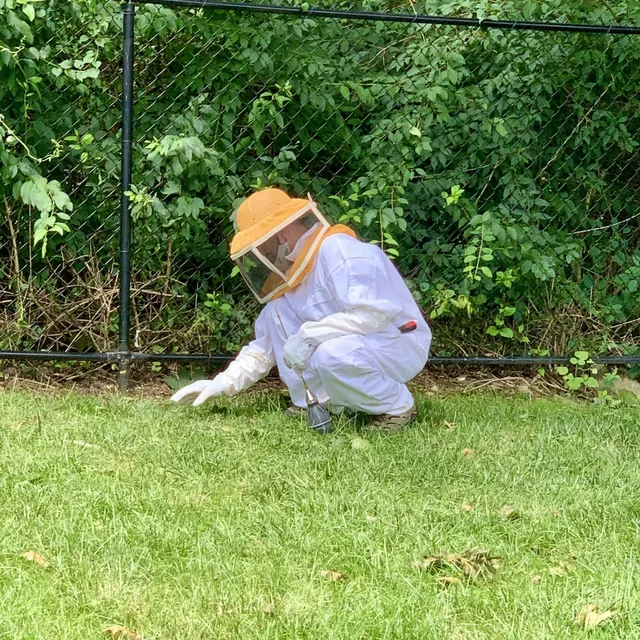

A home can feel perfectly clean and well cared for, yet still draw ants to the kitchen, mice to the basement, or fleas into the carpets. Add pets to the picture, and pest control becomes more complicated. The products, methods, and timing that work in an empty house may not be appropriate in a home where a dog naps on the floor vents, a cat slips behind appliances, or a rabbit spends time in a low enclosure. That is why pet-friendly pest control is not a marketing extra. It is a practical standard for households that want effective treatment without creating new risks indoors.
In Sussex County, pest issues follow familiar seasonal patterns, but no two homes have the same pressure points. Properties near woods often deal with ticks, carpenter ants, and rodents. Homes closer to water may see heavier mosquito activity. Older houses with crawl spaces and fieldstone foundations can develop recurring moisture problems that support silverfish, cockroaches, and occasional invaders. When families start searching for Pest Control Services Sussex County residents can trust, they are usually not looking for a one-time spray. They want judgment, restraint, and a plan that works with real life, including pets.
The best pet-conscious approach starts with a simple truth. The safest pesticide is the one you never need to overuse. Good service relies on inspection, exclusion, habitat correction, and targeted treatment, not blanket applications in every room. That approach is usually better for pets, better for people, and more reliable over the long term.
Why pet-friendly pest control requires a different standard
Pets live closer to treated surfaces than people do. Dogs lick baseboards, cats groom residue off their paws, and smaller animals can be far more sensitive to products used in tiny amounts. A treatment that poses low risk when dry can still cause trouble if it is applied incorrectly, used too heavily, or placed where a pet can directly access it.
That difference matters in routine service calls. Consider a common ant treatment. In a pet-aware home, a technician should think beyond whether the product is labeled for indoor use. They should also consider where the ants are trailing, whether bait placement can be hidden from curious animals, whether cleaning habits will disrupt the treatment, and whether a crack-and-crevice application would solve the issue with less exposure than a broad surface spray.
The same principle applies outdoors. Many families assume the yard is safer because treatments are diluted and exposed to weather. Sometimes that is true, but not always. Dogs roll in grass, track residues inside, and drink from puddles near downspouts. Cats roam through mulched beds and along foundations where granules or liquid barriers may be placed. A pet-friendly plan takes those habits seriously.
Experienced technicians learn that the conversation with the homeowner is as important as the chemistry. A family with two indoor cats needs a different setup than a property with three dogs, backyard chickens, and a child’s sandbox. Even among pets, the risks are not equal. A ten-pound dog that licks everything presents a different concern than an older retriever that avoids treated areas. Good service accounts for those details rather than offering a one-size-fits-all program.
The pests Sussex County homeowners deal with most often
Sussex County’s mix of suburban neighborhoods, wooded lots, farmland, and coastal influence creates broad pest pressure across the year. Spring often brings ant activity, stinging insects beginning to establish nests, and the first wave of ticks and mosquitoes. Summer tends to intensify all three, while also surfacing flea issues, pantry pests, and occasional roach activity in humid spaces. Fall is prime time for mice and other rodents to move indoors. Winter shifts the focus toward what is already inside walls, attics, and basements.
Ants are among the most misunderstood problems. Many homeowners spray the visible trail and assume they solved it, only to see the colony resurface days later. With pets in the home, repeated store-bought spraying often creates more exposure than a well-placed professional baiting strategy would have in the first place. I have seen kitchens where families used three retail ant products in one weekend, all while the real issue was a moisture-softened window frame near the sink.
Rodents are another category where pet safety and pest control overlap in awkward ways. Snap traps, tamper-resistant bait stations, exclusion work, and sanitation all have a place, but the wrong device in the wrong spot can create a hazard for dogs and cats. A technician who works carefully will map the rodent pathways first, then choose placements that are inaccessible to pets while still intercepting the mice.
Fleas deserve special mention because they often trigger frustration and overreaction. One pet brings them in, the adults become visible, and the homeowner wants the entire house treated immediately. Sometimes that is necessary. Sometimes it is not. Effective flea control usually combines pet treatment through a veterinarian, targeted interior service, repeated vacuuming, and follow-up timing based on the flea life cycle. If only one part happens, the problem drags on.
Ticks and mosquitoes are where Sussex County families often ask hardest questions. They want to enjoy the yard, protect pets, and avoid heavy chemical use. Those goals can coexist, but only if expectations are realistic. Yard treatments help. So do property modifications such as trimming overgrowth, reducing leaf litter, managing standing water, and creating cleaner transitions between wooded edges and play areas. The service works best when it is part of a broader management plan rather than the sole line of defense.
What truly makes a pest control service pet-friendly
Some companies use the phrase loosely. In practice, pet-friendly service is defined less by a single product and more by the entire operating method. A careful provider inspects first, explains why a treatment is necessary, chooses the least intrusive effective option, and gives clear instructions about reentry, ventilation, and follow-up.
There is also honesty in good service. Not every infestation can be handled with a minimal-touch approach on day one. German cockroaches in a heavily infested kitchen, for example, may require a more involved treatment program than occasional ants in a pantry. The responsible answer is not to pretend otherwise. It is to explain the trade-offs, protect pets through proper placement and timing, and avoid unnecessary exposure.
In well-run Pest Control Services Sussex County homeowners use repeatedly, you usually see a few common habits. The technician asks where pets eat, sleep, and roam. They ask whether any animals are elderly, medically fragile, or unusually curious. They pay attention to food bowls, litter boxes, crates, bedding, reptile tanks, bird cages, and pet doors. Those details may sound small, but they shape the treatment plan.
A pet-friendly service also avoids vague reassurance. Statements like “it’s completely safe” are not helpful and, frankly, not professional. Any pesticide carries instructions, restrictions, and limits. The right standard is lower risk through proper selection and proper use, not a blanket promise. Homeowners should expect specifics. Where will the product go? How long should pets stay out of the area? What should be covered or removed first? Will the treatment remain effective if the floors are mopped that evening? Clear answers matter.
Methods that often work best in homes with pets
Integrated pest management, often shortened to IPM, remains the most sensible framework. The reason is simple. It solves pest problems by reducing what pests need, while reserving chemicals for targeted use. That usually means fewer total applications and better long-term control.
Sealing entry points is one of the highest-value steps. A mouse can fit through an opening much smaller than most people expect, and insects exploit even finer gaps around pipes, utility lines, door sweeps, and foundation penetrations. When exclusion work is done well, pressure drops before any product is applied. Pet owners appreciate this because it treats the source rather than the symptom.
Baits are often preferable to broad sprays for ants and certain roaches, provided placement is secure. Gel baits tucked into inaccessible cracks or enclosed bait stations can control a colony with minimal environmental spread. The catch is that they must be placed thoughtfully. A bait that is effective but reachable by a pet is poor practice.
Dusts and crack-and-crevice applications also have value when used with precision. In wall voids, behind switch plates, or inside inaccessible structural gaps, they can target hidden pests without treating open living surfaces. That is very different from fogging or indiscriminate spraying throughout a room.
Outdoors, habitat management is often the unsung hero. Trimming vegetation back from the foundation, correcting gutter drainage, replacing wet mulch piled against siding, and storing pet food securely in garages all reduce pest activity. I have seen recurring earwig and ant issues disappear after a homeowner simply reduced irrigation near the foundation and stopped leaving a water bowl outside overnight.
Questions worth asking before hiring
A short conversation before booking service can reveal a lot about whether a company actually knows how to work in pet households.
- How do you adapt treatment plans for homes with dogs, cats, birds, or small animals?
- Will you inspect and identify the pest before recommending treatment?
- Where exactly will products be placed, and how long should pets stay away?
- Do you rely on targeted applications and exclusion work, or mostly on routine spraying?
- What should I do before and after service to protect my pets and improve results?
If the answers feel rushed, vague, or overly polished, keep looking. Solid providers are usually comfortable discussing labels, methods, reentry timing, and alternatives. They do not act irritated when a homeowner asks detailed safety questions. In fact, they often welcome them.
Common mistakes pet owners make during pest control
Most mistakes come from urgency. A homeowner spots droppings, bites, or an ant trail and tries to fix the problem quickly with products from a hardware store. The intent is understandable, but mixing retail pesticides with professional treatment can create confusion and reduce effectiveness.
One of the most common errors is overcleaning right after treatment. For example, a family may pay for ant baiting, then scrub every surface that evening because they do not want residue around the dog bowls. The result is that the treated zones are disrupted before the ants can carry bait back to the colony. Another frequent mistake is moving bait stations because they look unattractive or seem to be in the way. From the technician’s perspective, that can turn a good plan into a failed one.
Pet accessories are another blind spot. Flea treatments can stall when pet bedding is not washed, vacuum contents are not removed promptly, or crates and upholstered nap spots Pest Control Services Sussex County are ignored. With rodents, spilled kibble in a mudroom or garage often sustains activity even after traps are set. I have seen households spend hundreds on recurring service while a partially open bag of birdseed in the utility room continued feeding mice all winter.
Outdoor habits matter too. Pet waste left in the yard can support flies. Standing water in bowls, planters, or kiddie pools can support mosquitoes. Dense brush along fence lines gives ticks and rodents cover. These are not glamorous fixes, but they are practical and often decisive.
A realistic plan for safer treatment days
Homeowners usually feel better when they know exactly what service day should look like. The goal is not to turn the house upside down. It is to prepare just enough that the treatment can be precise and the pets can stay comfortable.
Before a visit, the company should explain whether food bowls, toys, bedding, or litter boxes need to be moved temporarily. Fish tanks and bird cages deserve special attention because those animals can be more sensitive to airborne products or disturbance. In many cases, especially with targeted crack-and-crevice treatments, preparation is modest. In more involved services, such Pest Control Services Sussex County as flea control or certain interior insect treatments, the prep can be more substantial.
On the day itself, pets should be secured in a space away from the work area or taken offsite if the treatment requires it. This is not only about exposure. It also keeps doors from being left open while a curious dog investigates every tool bag. Technicians do their best work when they can focus.
After service, follow the instructions exactly. If the guidance says stay out until surfaces are dry, wait until they are dry. If ventilation is recommended, open the windows that the technician mentioned. If vacuuming should happen on a specific schedule for fleas, follow that schedule. Small deviations can affect both safety and results.
Here is a simple prep checklist that works well for many appointments:
- Tell the technician what pets you have, where they spend time, and any health concerns.
- Move bowls, toys, and bedding from treatment areas unless told otherwise.
- Secure pets during the visit, either in a closed room or offsite.
- Follow reentry and cleaning instructions exactly as given.
- Report any new pest activity promptly so the plan can be adjusted early.
The value of inspection over automatic treatment
One mark of a trustworthy provider is willingness to inspect before applying. That may sound obvious, but plenty of service calls still default to routine treatment patterns without fully confirming the pest pressure. In pet households, that is not ideal. Every unnecessary application is one more thing to manage.
Inspection often reveals that the problem is structural or behavioral rather than chemical. A recurring ant issue may trace back to tree branches touching the roofline. A mouse problem may come from an unsealed garage corner behind stored pet food. A cluster of flies may have more to do with a crawl space moisture issue than with anything happening in the kitchen.
The best technicians also know when not to treat. If a lone spider is found in a basement in January, that may not justify a broad interior application. If yellowjackets are active but the nest is forty feet from the patio and not threatening daily use, monitoring may be a reasonable choice. Professional judgment includes restraint.
Seasonal strategy for Sussex County homes with pets
In Sussex County, pest control works best when it follows the calendar. Spring is the time to inspect foundations, repair screens, trim vegetation, and get ahead of ants and early stinging insect activity. It is also a smart window for discussing tick and mosquito plans before pressure peaks.
Summer is when outdoor pet routines need closer attention. Dogs spending more time in yards and on trails face increased flea and tick exposure. Water sources, shade structures, and landscaping all influence mosquito activity. This is the season when families often realize that “safe enough” and “effective enough” need to meet in the middle.
Fall brings a sharp shift toward exclusion. As temperatures cool, rodents test the house for openings. Sealing gaps, organizing garages, managing seed and feed storage, and watching for droppings early can prevent a small issue from becoming a winter infestation. Pet owners should be especially alert around garages, basements, and mudrooms where food, water, and shelter tend to overlap.
Winter is for monitoring and correction. If pests are still active indoors, the source can usually be narrowed down more clearly because exterior pressure is lower. It is also a good time to review what worked, what did not, and whether the service plan should change before spring returns.
When premium service is worth paying for
Not every pest issue requires a top-tier program. A one-time wasp nest treatment or a minor ant problem may be resolved quickly. But pet owners should think carefully before choosing a provider solely on price. Cheap service often cuts corners in the places that matter most, inspection time, communication, and follow-up.
A more experienced company may charge more because the technician spends forty-five minutes inspecting instead of ten, uses targeted materials rather than generic blanket treatment, and returns if the first plan needs adjustment. For households with pets, those differences matter. They usually mean fewer unnecessary applications and better control over where products go.
The sweet spot is not the most expensive quote or the cheapest one. It is the provider who can explain their reasoning clearly, show comfort working around animals, and offer a treatment approach that makes sense for your specific pest and property.
What safer homes usually have in common
Homes that stay ahead of pest problems tend to share a handful of practical habits. Food is stored well. Leaks are fixed quickly. Entry points are sealed. Yard edges are maintained. Pet feeding areas are kept clean, and spilled kibble is not left overnight in laundry rooms or garages. None of that is dramatic, but the cumulative effect is strong.
There is also less panic in these homes. The owners understand that seeing one insect does not always mean infestation, and they know when to call before the issue grows. They keep communication open with their pest professional and mention changes such as a new puppy, a backyard coop, or a basement renovation. Those details affect treatment choices.
For families in Sussex County, the right pest control service should make the home feel more manageable, not more stressful. That means honest assessment, targeted methods, and respect for the animals who share the space. Pet-friendly pest control is not about avoiding every intervention. It is about choosing the right intervention, in the right place, at the right time, with the discipline to do no more than necessary. When that standard is met, safer homes become much easier to maintain.
Affordable Pest Solutions LLC
Based in Budd Lake, New Jersey 07828
Service area: Sussex County, Morris County, and Warren County, New Jersey
+1 973-229-9547
FAQ About Pest Control Services Sussex County
What is included in a pest control service in NJ?
A visit generally starts with an inspection to identify the pest and assess activity, access points, and contributing conditions. The proposed service may include treatment, monitoring, exclusion recommendations, and follow-up. Ask which pests and areas are covered by the written quote.
How much does a pest controller charge in NJ?
Pricing depends on the pest, property size, severity of activity, and work required. A single treatment and an ongoing plan can have different costs and coverage. Request an inspection-based estimate that explains the included work, follow-up fees, and warranty terms.
How to prepare my home for pest control?
Ask for instructions specific to the planned service. The technician may need access to inspection areas and may ask you to move belongings or protect food and dishes. Mention pets, aquariums, and any household concerns beforehand. Follow the product label and the technician's instructions about leaving and re-entering treated areas.