Pest Control Services Warren County for Roaches, Silverfish, and More
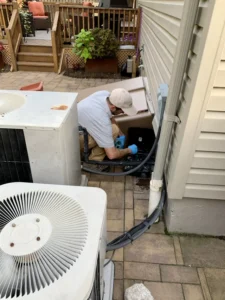
Pests rarely announce themselves on schedule. More often, they show up in the quiet moments, when a kitchen light flips on and a roach darts behind the stove, when a box in the basement reveals silverfish damage along the edges, or when a homeowner hears scratching where no scratching should be. By the time most people notice a problem, the issue has usually been building for weeks or months.
That is why Pest Control Services Warren County matter so much. Effective pest control is not just about spraying a baseboard and hoping for the best. It is about knowing how different pests behave in local conditions, where they hide, what keeps them alive, and how to interrupt that cycle without creating bigger problems inside the home. A treatment that works well for one property can miss the mark completely on another. A damp century-old basement, a newer subdivision home with tight construction, and a restaurant with constant deliveries each bring their own pressure points.
Warren County properties see a wide range of pest activity through the year. Roaches, silverfish, ants, spiders, stinging insects, mice, and occasional invaders all respond to shifts in moisture, temperature, food access, and shelter. In some homes, pest pressure spikes after heavy rain. In others, it ramps up in late summer when dry conditions drive insects indoors in search of water. Winter does not end the problem either. It just changes the cast.
Why roaches remain one of the toughest calls
Roaches Pest Control Services Warren County have a way of turning a minor issue into a persistent one. A single sighting does not always mean a major infestation, but it should never be ignored. German roaches, in particular, reproduce fast, hide well, and take advantage of the smallest crumbs, grease residue, and moisture sources. They often settle behind refrigerators, inside cabinet voids, under sinks, around dishwashers, and near any appliance that gives off warmth.
One of the biggest mistakes people make is treating only the area where they saw the insect. Roaches are thigmotactic, which means they prefer tight spaces where their bodies make contact on several sides. They wedge themselves into cracks, hinge gaps, motor housings, and wall voids. If a treatment does not reach those harborages, the visible roaches may disappear for a few days while the population continues to breed out of sight.
A good roach program usually combines inspection, sanitation guidance, targeted baiting, and careful use of residual products where they actually matter. There is some judgment involved here. Too much broad spraying in the wrong spot can contaminate bait placements and reduce the very control method that works best. That is one reason professional service tends to outperform do-it-yourself attempts with roaches. The issue is not just access to products. It is strategy.
In apartment settings or connected housing, roach control gets even more complicated. If one unit is treated while neighboring units remain untreated, pressure can shift rather than disappear. In those cases, coordination matters. A technician with experience will look at shared walls, plumbing penetrations, utility chases, and trash handling, not just the kitchen floor.
Silverfish are quiet, but they are not harmless
Silverfish do not create the same immediate alarm as roaches, yet they can be remarkably stubborn. They thrive in dark, humid spaces and feed on starches found in paper, glue, fabric sizing, and certain stored goods. Basements, bathrooms, laundry areas, attics, and closets are all common problem zones. Homes with older cardboard storage, book collections, wallpaper paste, or persistent humidity often give silverfish exactly what they need.
A silverfish issue usually points to conditions that support them, especially moisture. When I hear that someone keeps seeing them around a utility room or under a bathroom sink, my first thought is not only where to treat, but why that area stays attractive. Is there a slow plumbing leak? Is the dehumidifier undersized? Are there stacks of boxes pressed against a cool basement wall? A technician who ignores those questions may knock down activity without solving the source.
Silverfish control tends to improve dramatically when environmental corrections happen alongside treatment. Reducing humidity, opening up storage patterns, sealing cracks, and trimming back clutter around baseboards can make a real difference. They are not as explosive as roaches, but they can linger for a long time when conditions stay favorable.
The county’s pest problems are broader than most people expect
Roaches and silverfish get plenty of attention, but they are only part of the picture. Warren County homes and businesses also deal with a rotating cast of pests tied to season, terrain, and structure type. A property near woods or water will often have different pressure than one in a dense neighborhood, and an older farmhouse can behave very differently from a newer slab-built house.
Ants are a good example. Some species are mostly a nuisance, trailing across counters in search of sweets or moisture. Others nest in damp wood or wall voids and require a much more careful approach. Carpenter ants, for instance, often signal moisture-damaged wood somewhere in the structure. Killing the foragers in the kitchen does not address the colony if it is established behind a window frame or under a roofline softened by a leak.
Spiders prompt many service calls, though the real issue is often the insects they feed on. If a garage, basement, or porch light is attracting prey, spiders will follow. The same logic applies to centipedes and certain beetles. A visible predator problem can be the symptom of a broader insect issue.
Rodents deserve special mention because they are frequently underestimated. Mice can enter through openings that look insignificant, especially around utility penetrations, garage corners, and sill plate gaps. Once inside, they exploit warmth, nesting material, and reliable food. The smell of rodent activity often arrives before the animals are seen. By then, droppings, gnawing, and contamination may already be affecting pantry goods or insulation.
What good pest control service actually looks like
Professional pest control is not just a treatment, it is an investigative process. The best results come from identifying the pest correctly, understanding the conditions that support it, and choosing methods that fit both the target and the building. Fast service matters, but accuracy matters more.
A strong service visit usually includes a careful conversation first. When did the activity start? Where is it concentrated? Has there been recent construction, water damage, landscaping work, or a shift in how the space is used? Those details help narrow the likely pressure points. A warehouse with an open loading pattern and a home with toddlers, for instance, require very different treatment planning.
From there, inspection drives the recommendation. That means looking behind appliances when practical, checking moisture-prone areas, examining entry points, and paying attention to evidence rather than assumptions. Frass, smear marks, cast skins, droppings, nesting material, and odor each tell part of the story.
The most useful providers also explain what they are seeing in plain language. Homeowners should know whether the problem appears light or established, whether follow-up is likely necessary, and what steps on their side will improve the result. Pest control works best when the service plan and the property conditions support each other.
Why one-time sprays often disappoint
A lot of frustration in this industry comes from mismatched expectations. People want the problem gone quickly, which is understandable. But not every pest issue responds to a single visit, and not every treatment produces instant visible results. Baiting for roaches, for example, often relies on insects feeding and transferring material through the population. That can take time. Exclusion work for rodents may stop new entry fast, but existing animals inside the structure still need to be addressed.
There is also a trade-off between speed and staying power. A broad, aggressive treatment may kill exposed insects quickly, but if it does not address harborages, entry points, or food and moisture sources, the relief can be brief. A more measured treatment plan, supported by follow-up and structural corrections, often delivers a better long-term outcome.
This is one reason experienced Pest Control Services Warren County providers tend to focus on integrated work rather than quick cosmetic fixes. A dead bug on the floor is not always proof the problem is solved. Sometimes it is simply proof that one bug died where it could be seen.
Conditions around the home matter more than people think
Outside conditions shape what happens indoors. Mulch piled high against the foundation, dense shrubs trapping moisture, clogged gutters, firewood stacked against the house, and poor drainage all create shelter or access for pests. Even exterior lighting can influence activity by attracting nighttime insects, which in turn attract spiders and other predators.
Inside, kitchens and bathrooms are obvious hot spots, but the less obvious areas often tell the real story. A dripping ice maker line behind the refrigerator can support roaches or ants for months. A finished basement with a slightly damp storage closet can become a silverfish haven. A pet food bin left open in a mudroom can support pantry pests or rodents. None of these conditions are dramatic, which is exactly why they persist.
A good technician notices the details that blend into daily life. That includes worn door sweeps, gaps under siding transitions, missing vent screens, and cardboard storage resting directly on concrete. Small corrections can reduce pest pressure more than another round of generic treatment.
When homeowners should call sooner rather than later
Some pest issues can wait a week or two while you monitor conditions. Others deserve prompt attention. Roaches in a kitchen, recurring mouse signs, stinging insects near a doorway, and unexplained insect activity around food storage should move up the list. The earlier a pest problem is assessed, the more options usually remain on the table.
Here are a few signs that a professional visit is worth scheduling:
- You are seeing the same pest in the same area more than once a week.
- Activity is showing up around food prep, stored food, or sleeping areas.
- You notice droppings, shed skins, egg cases, or damage to paper, fabric, or wood.
- Store-bought products have reduced sightings but not ended them.
- The issue seems tied to moisture, wall voids, or hard-to-reach spaces.
That last point matters. Hard-to-reach infestations are exactly where amateur treatments struggle. Sprays used in open room areas rarely solve problems rooted behind walls, beneath cabinets, or inside structural gaps.
Roach and silverfish prevention that actually helps
Prevention advice often sounds repetitive because the fundamentals do matter, but the details count. Telling someone to “keep things clean” is too vague to be useful. The better question is where pests are getting what they need and how reliably they can get it. Roaches and silverfish both exploit routines and overlooked conditions.
For roaches, grease film around cooking areas, crumbs in appliance gaps, and moisture under sinks are common drivers. For silverfish, humidity and cellulose-based storage are the bigger draw. The practical fixes are usually not expensive, but they require consistency.
The most effective preventive steps tend to be these:
- Repair leaks promptly, especially under sinks, behind appliances, and near water heaters.
- Reduce clutter in basements, closets, and storage rooms, particularly cardboard and paper piles.
- Use sealed containers for pantry goods and pet food.
- Run bath fans or dehumidifiers where moisture lingers.
- Seal gaps around plumbing lines, utility entries, and door thresholds.
None of these steps replaces treatment when an infestation is active, but they strengthen the outcome. Pest control is always easier when the environment is working with the plan instead of against it.
Special considerations for older homes and rural properties
Warren County includes a mix of housing stock, and that matters. Older homes often have more entry points, more settled framing, and more hidden voids where pests can travel undetected. Stone foundations, crawl spaces, original wood trim, and generations of repairs create layers of opportunity for insects and rodents. That does not make these homes unmanageable, but it does mean inspections should be patient and thorough.
Rural and edge-of-town properties often face heavier pressure from mice, occasional invaders, overwintering pests, and wildlife-related complications. Outbuildings, woodpiles, poultry feed, compost, and nearby fields all change the equation. A farmhouse with a feed room and attached garage may need a very different service approach than a townhome with mostly interior pressure.
This is where local experience shows. Technicians who work in the county regularly tend to recognize patterns faster. They know which neighborhoods see seasonal ant surges, which low-lying areas struggle with moisture pests, and how weather swings alter movement indoors. That kind of knowledge shortens the path from symptoms to solution.
Commercial pest control needs a different level of discipline
Businesses do not have the luxury of tolerating “minor” pest issues. In restaurants, offices, healthcare spaces, multifamily buildings, warehouses, and retail settings, even a small problem can become a reputation issue fast. There are also practical complications. Deliveries create entry opportunities. Shared walls spread pressure. Staff turnover can interrupt sanitation routines. Late-night operating hours can hide pest activity from daytime managers.
Commercial service usually works best when it is structured, documented, and preventive rather than reactive. Monitoring devices, scheduled inspections, sanitation recommendations, and exclusion notes all play a role. The objective is not just to eliminate current activity, but to create a stable system that catches early signs before they become customer-facing problems.
Roaches in break rooms, silverfish in file storage, ants in reception kitchens, and rodents in stockrooms each call for a targeted plan. What they share is the need for consistency. A business that waits for visible activity before acting usually pays more in the long run, whether in product loss, employee complaints, or emergency service.
What to ask before hiring a pest control provider
Not every company approaches pest problems the same way. Some focus on speed and volume, while others lean into inspection and follow-through. Homeowners and property managers are better served when they ask a few direct questions at the start. How does the company identify the source of the issue? What does the initial service include? Is follow-up expected? Will the technician explain preparation steps and post-treatment recommendations? Are exclusion or moisture-related observations part of the visit, or only chemical application?
The answers reveal a lot. A provider who talks only about product and not about conditions may be oversimplifying the problem. On the other hand, a company that can explain why the pests are there, what treatment can realistically accomplish, and what support the customer should provide is usually approaching the work with the right level of seriousness.
Pricing matters, of course, but value in pest control is tied to outcome, not just the first invoice. A cheaper service that leads to repeated callbacks, wasted do-it-yourself purchases, and months of frustration often costs more than a thorough program done correctly.
The real goal is not fewer sightings, it is a stable home
People often judge pest control by what they stop seeing, and that is natural. Yet the deeper goal is stability. A well-managed home is one where pests have fewer reasons to enter, fewer places to hide, and fewer resources to survive if they do get in. Treatment is part of that, but so are repairs, moisture control, storage habits, and regular inspection.
Roaches and silverfish are good examples because they expose underlying conditions so clearly. Roaches tell you there is food, water, shelter, or all three. Silverfish tell you there is moisture and protected harboring. Ants reveal access paths. Rodents reveal entry gaps. Pests are rarely random. They are responding to what the property offers.
That is why strong Pest Control Services Warren County are less about dramatic one-time action and more about informed, practical correction. When the work is done well, homeowners notice something simple but important. The house feels normal again. The kitchen light can come on without surprise. The basement storage feels usable. The small background stress that pests create finally lifts.
That outcome is worth more than a quick spray. It comes from careful inspection, honest recommendations, and treatment matched to the actual problem. For homes and businesses dealing with roaches, silverfish, and the rest of the county’s common pest pressures, that is what real pest control should deliver.
Affordable Pest Solutions LLC
Budd Lake, NJ 07828 (service-area business)
Serving Warren, Morris and Sussex Counties, New Jersey
Phone: +1 973-229-9547
FAQ About Pest Control Services Warren County
How much does pest control cost in NJ?
The cost depends on the pest, the size of the property, the extent of activity and whether follow-up visits are needed. Ask for an inspection and a written estimate that explains the treatment scope and any ongoing service charges. Affordable Pest Solutions offers free estimates for properties in its service area.
What are the most common household bugs in New Jersey?
Ants, cockroaches, stink bugs and spiders are among the pests that residents may encounter in New Jersey homes. Activity varies by season, moisture conditions and available entry points. Correct identification helps determine whether exclusion, sanitation, monitoring or professional treatment is appropriate.
What kind of bugs infest homes?
Ants, cockroaches and termites can establish persistent activity in or around homes. The signs and appropriate response differ by pest: trails, droppings, shed wings or damaged wood may warrant closer inspection. A pest professional can identify the cause and recommend a plan suited to the property.